Technical Due Diligence — Renewable Portfolio, Japan
Renewable investment screening across onshore wind and solar — desktop studies and risk assessments for five sites, supporting the investor's go / no-go decisions.
Challenge
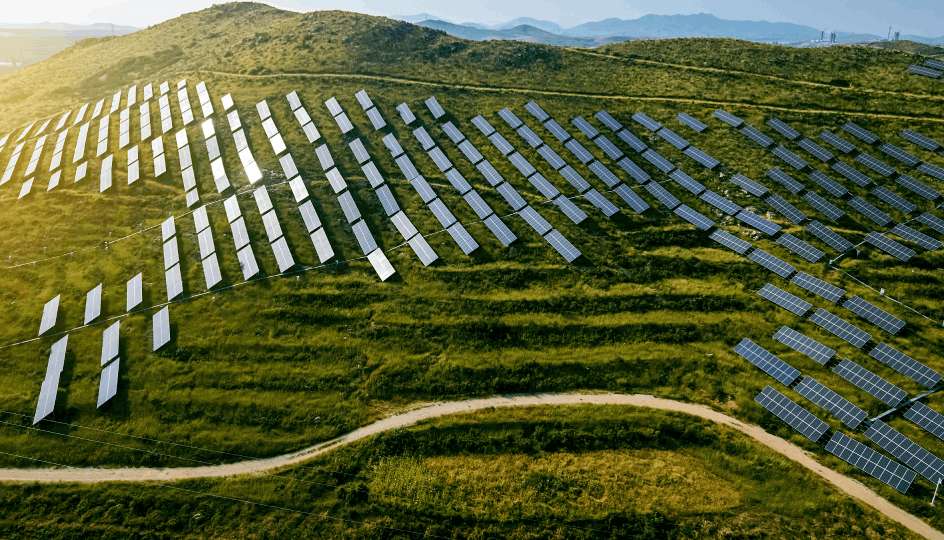
An investor evaluating five renewable energy sites in Japan needed a fast, credible technical screen before committing capital. The window was tight and the questions were broad: is the site feasible, are the risks manageable, and what is the real downside on cost and schedule?
Bonnie carried out desktop studies and risk assessments covering technical feasibility, environmental impacts, local regulations, land rights and CAPEX/OPEX, consolidating the findings into investment-decision material and site-specific risk mitigation plans for the client's screening process.
Method & Standards
📋 Technical & regulatory review
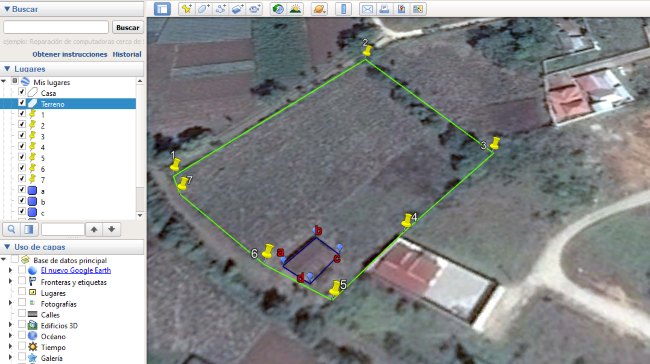
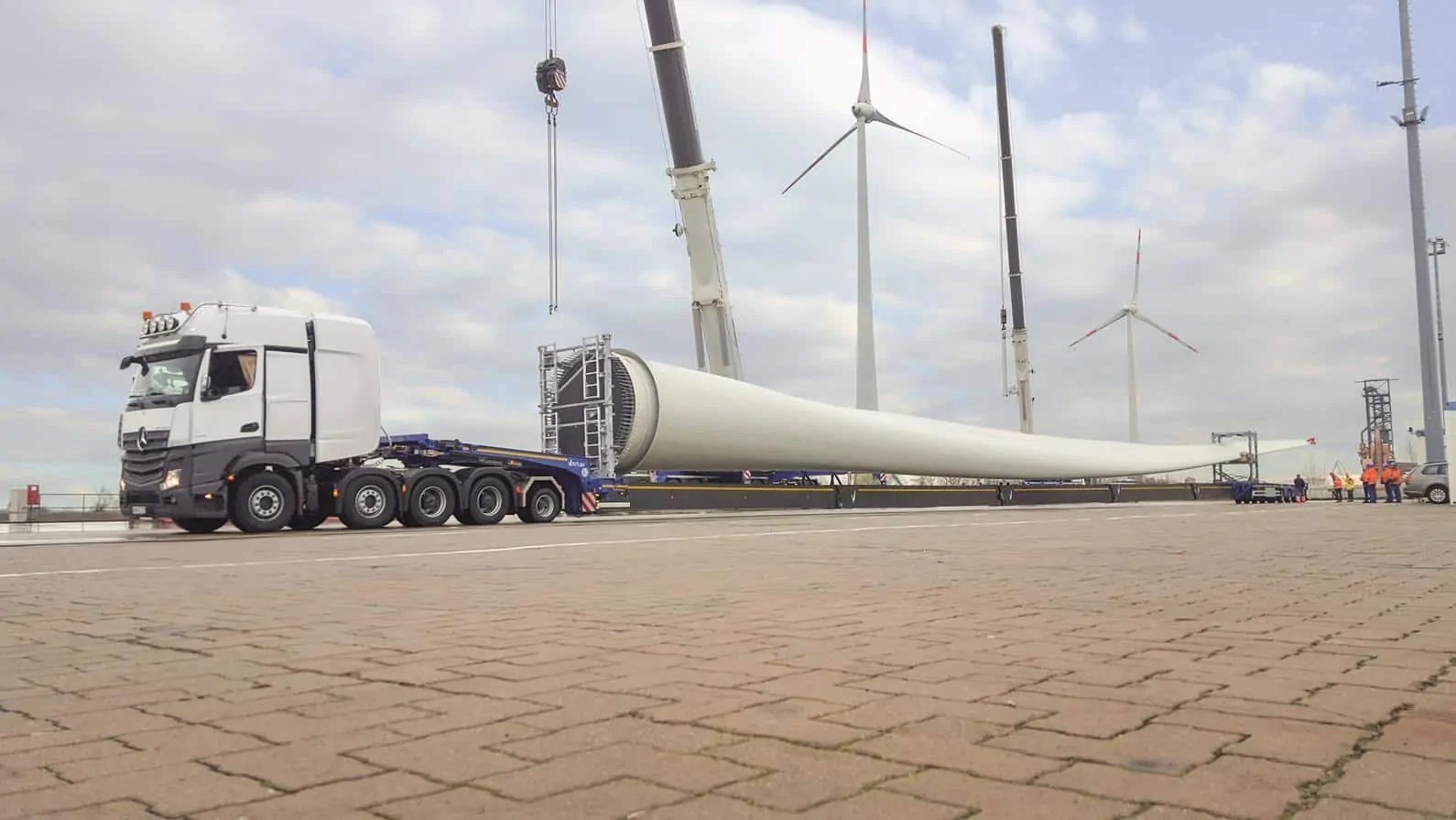
She evaluated land rights and environmental regulations, reviewed environmental assessment reports, and assessed the feasibility of equipment logistics to each site. Using KML / Google Earth data, she verified that site boundaries were legitimate and that the proposed solar panel and wind farm locations matched the actual sites — a first-principles check against overstated or misaligned proposals.
🌪️ Natural hazard assessment
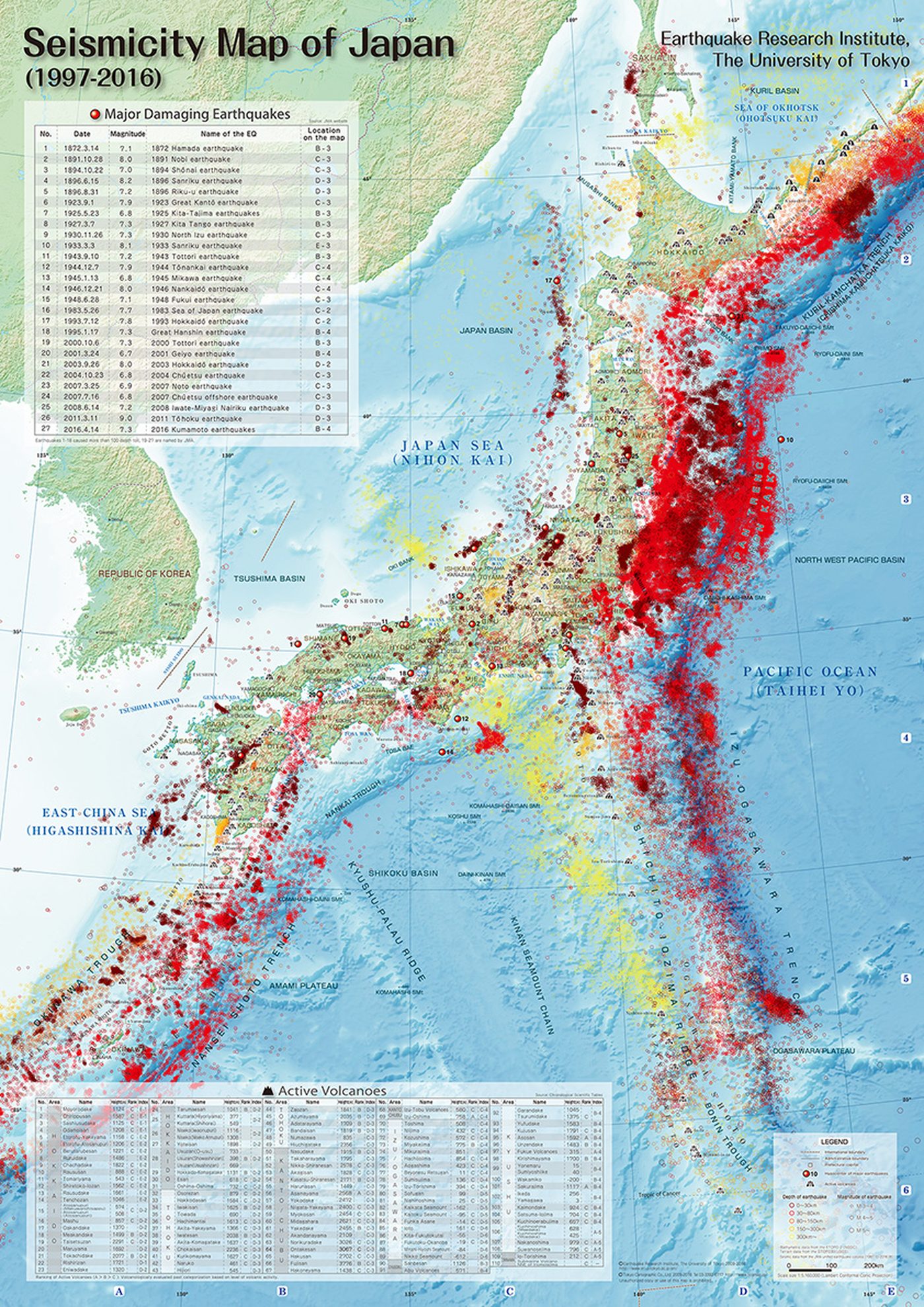
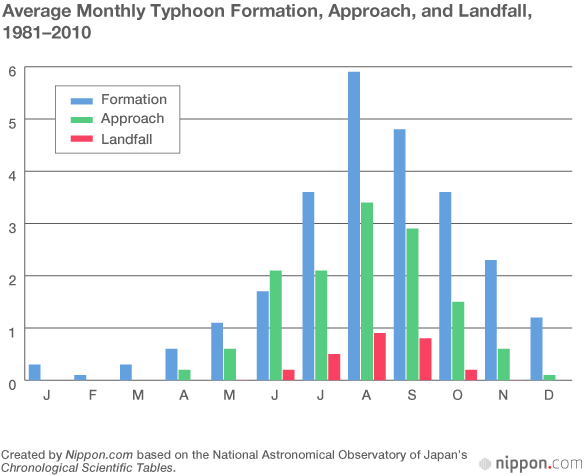
The review assessed natural hazard risks including snowstorm, earthquake and typhoon exposure, and evaluated whether the proposed construction period was reasonable given local conditions.
Visual / Demo
Impact
Bonnie ran a weekly comment cycle with the developers, feeding technical findings and open risks back to the investor to help them make a go or no-go investment decision on each site — turning five open questions into a clear, evidence-based decision path. All site specifics shown here have been generalized for public representation.